Thinking about buying your first home in Niceville? You are not alone. This Emerald Coast city offers bay access, a friendly pace, and convenient commutes to Eglin AFB and nearby beach towns. If you want a clear plan for neighborhoods, timelines, costs, inspections, and loans, this guide is for you. You will walk away knowing what to expect and how to move with confidence. Let’s dive in.
Why Niceville works for first-time buyers
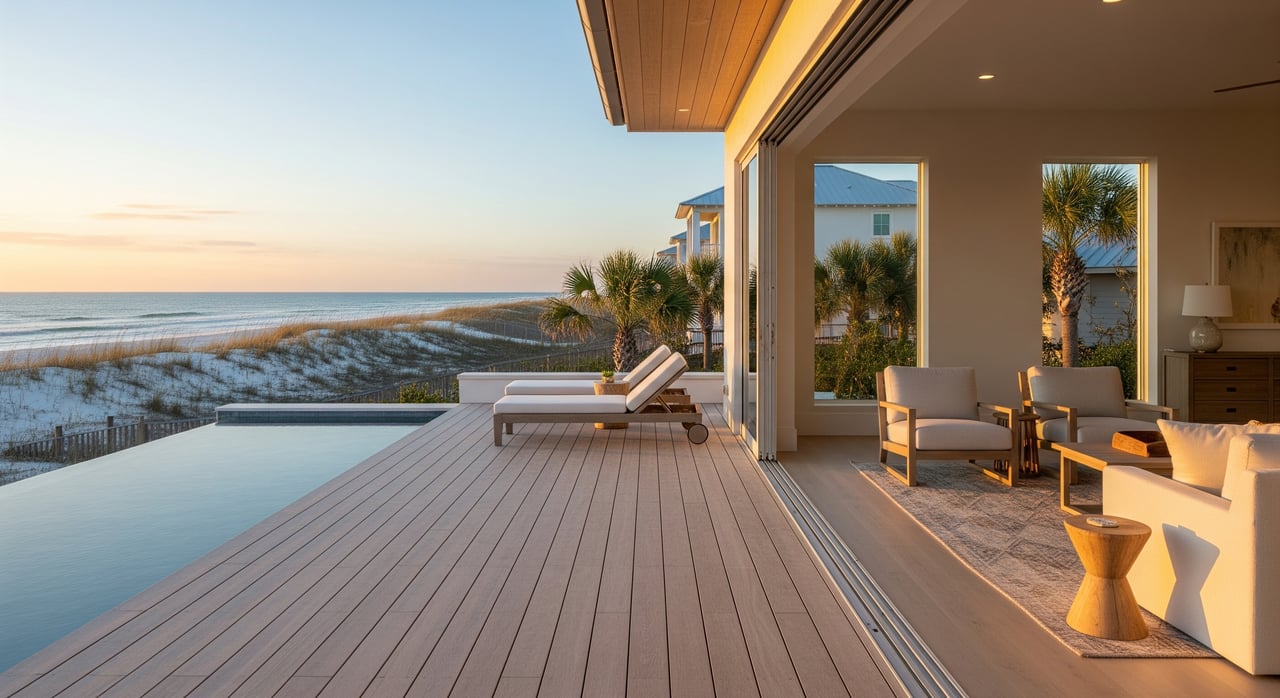
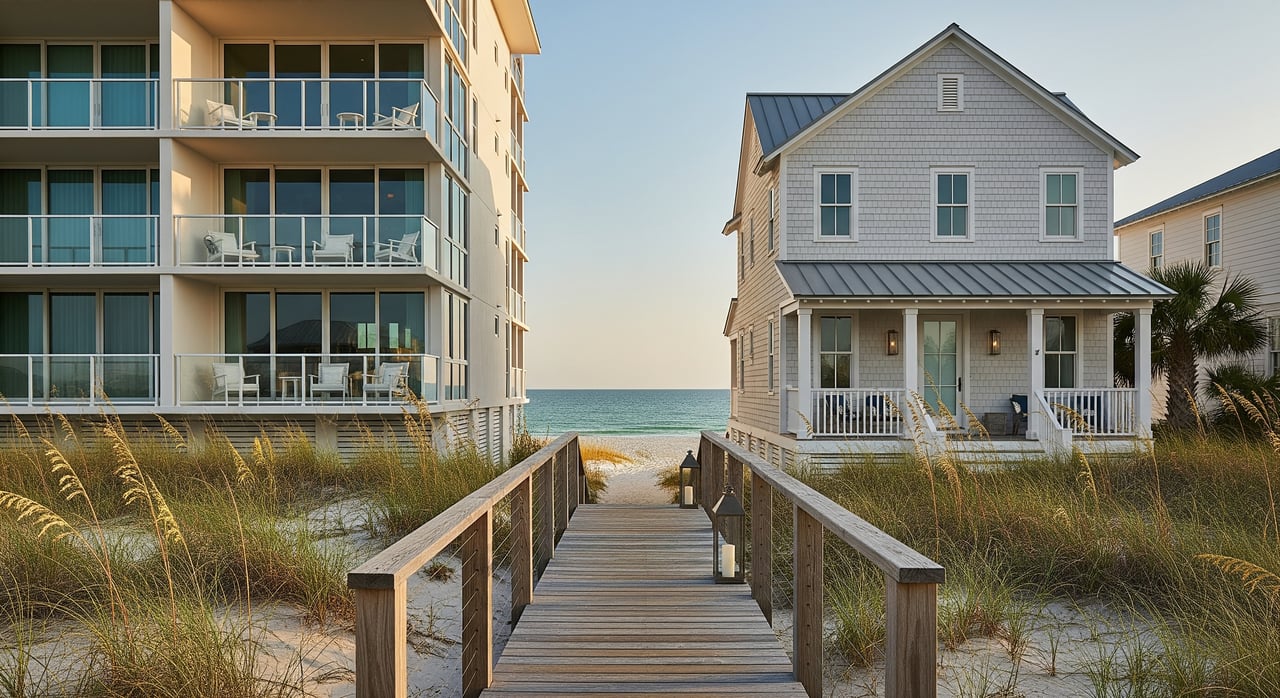
Niceville sits on Choctawhatchee Bay in Okaloosa County, just inland from Destin and Fort Walton Beach. You get coastal living without being directly on the Gulf. The local market includes military-affiliated buyers, public-sector employees, tourism workers, and retirees, which shapes demand across the year.
The city is served by the Okaloosa County School District, and daily needs are close by, including shopping, parks, and healthcare. Commutes to Eglin AFB and Hurlburt Field are a common priority for many buyers. You will find a range of home types and ages, from established neighborhoods to newer subdivisions.
Neighborhoods at a glance
Bayfront and waterfront
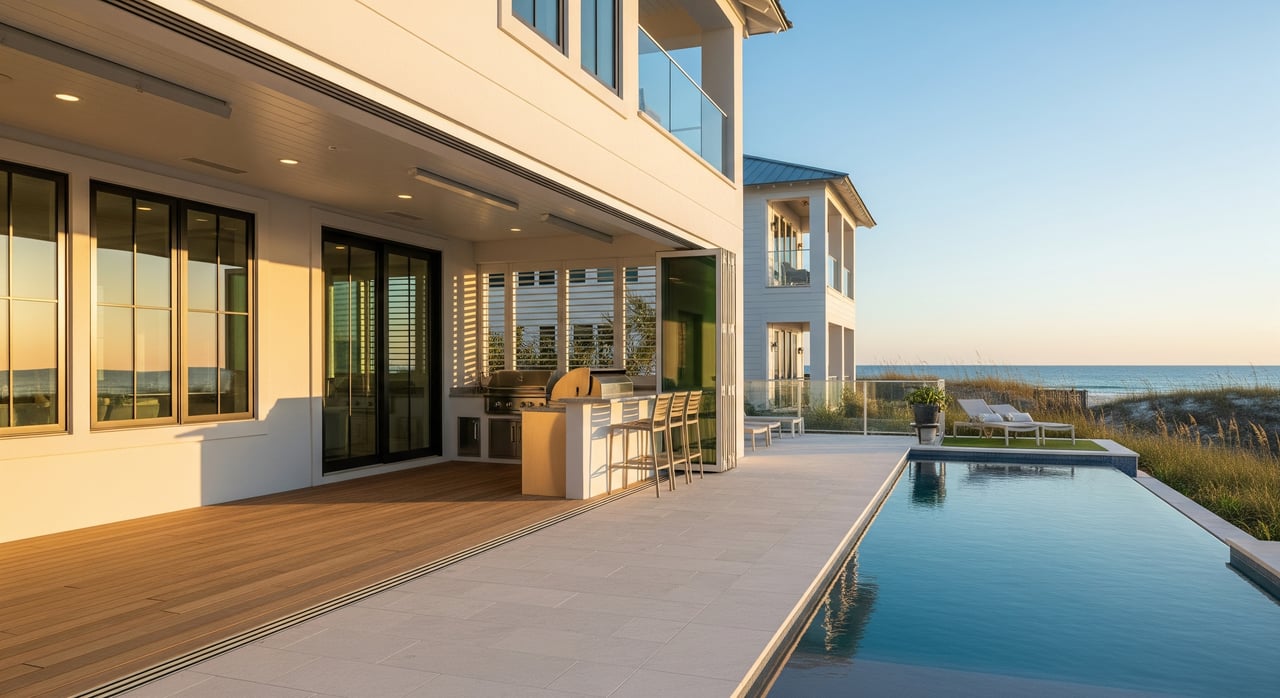
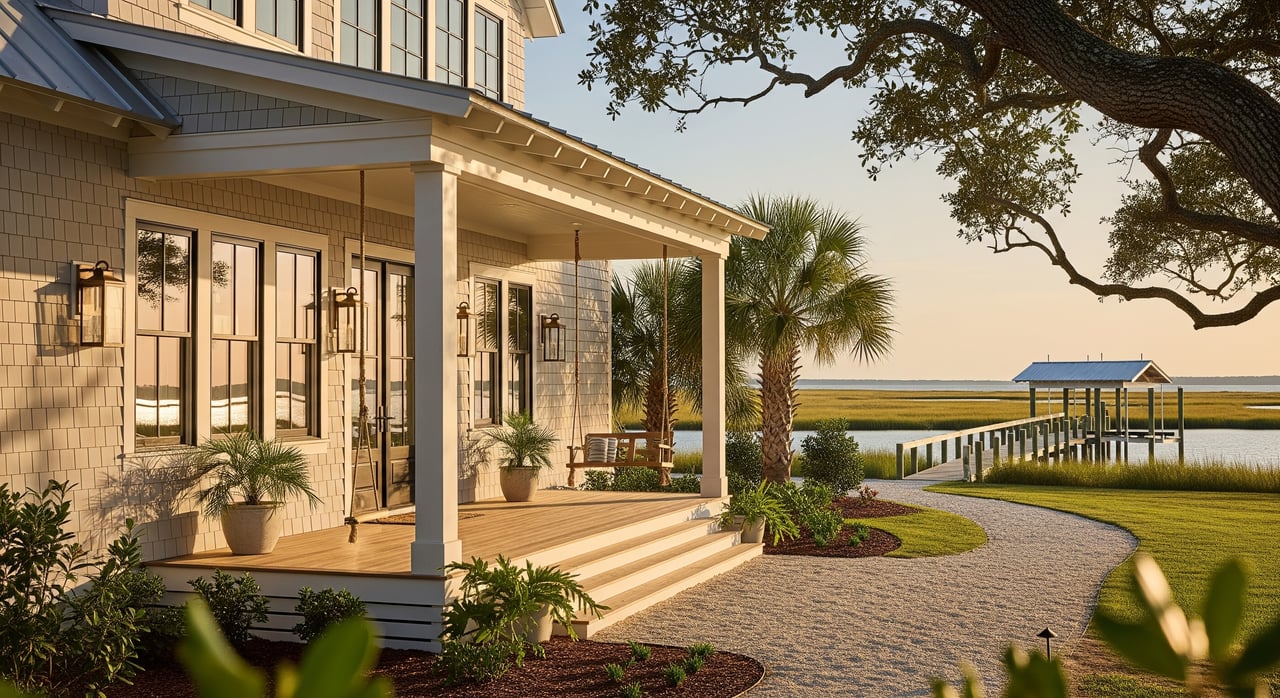
Bay-facing streets offer water views and boat access potential at higher prices. Some parcels have seawalls or bulkheads, and flood or storm surge exposure can be a factor. Confirm flood zones early and plan for flood insurance if required by a lender.
Planned communities
Larger subdivisions with amenities such as pools, golf, and community centers are popular with buyers who want convenience. Bluewater Bay in the broader Niceville area is a well-known example. Expect HOA rules and monthly or quarterly fees.
Near downtown and established areas
Older single-family subdivisions near central Niceville offer smaller lots, mature trees, and quick access to shops and parks. Homes may have systems from the 1970s to 1990s, so plan for updates and energy-efficiency improvements.
New-construction on the outskirts
You will see modern floor plans, energy-efficient systems, and builder warranties. Build or close timelines can be longer, and closing may stretch past 45 days depending on the builder and lender process.
Condos and townhomes
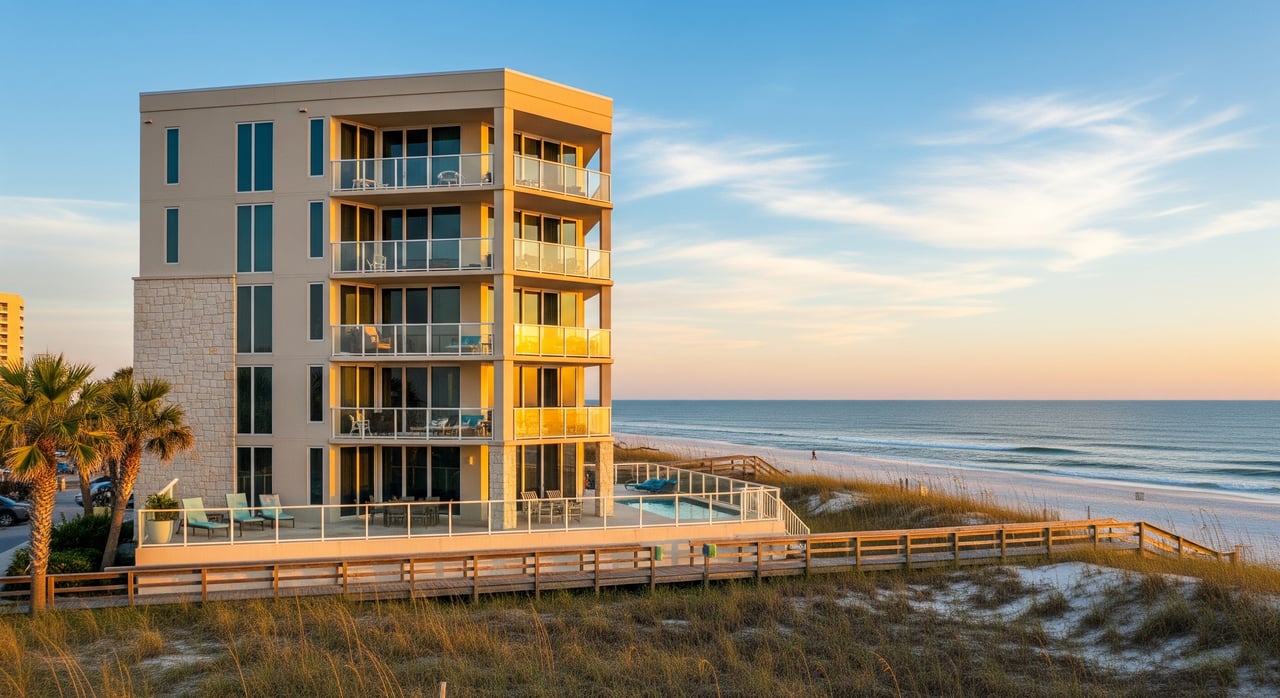
These can be good for low-maintenance living. Budget for HOA fees and review association documents and insurance requirements. Some complexes have different rules for parking, pets, or rentals.
Rural and semi-rural parcels
On the outskirts, you may find homes with acreage. Many use well and septic systems. Plan extra inspections and confirm permits and maintenance history.
What homes look like here
Starter homes are most often single-family detached houses. Ranch-style and one-story layouts are common, with a mix of older homes from the 1970s to 1990s and newer builds from the 2000s to today. Waterfront homes command a premium.
Key features to review include roof age and wind-mitigation details, HVAC age and ductwork, insulation, and any termite treatment history. For waterfront or low-lying properties, ask about elevation and any prior flood events.
Your step-by-step path and timeline
- Get pre-approved: 1 to 7 days once you submit financial documents.
- Shop and compare neighborhoods: a few weeks to a few months depending on inventory.
- Make an offer and negotiate: often a few days of back-and-forth.
- Inspection period: usually 7 to 15 days after contract acceptance.
- Appraisal and underwriting: typically 30 to 45 days from contract to close for many loans; VA or new construction can take longer.
- Final walk-through and closing: done 24 to 48 hours before signing and funding.
Build protective contingencies into your contract. Common ones include financing, inspection, appraisal, and clear title. Discuss early possession or lease-back only if truly needed and documented in the contract.
Must-have inspections in Niceville
- General home inspection for structure, roof, HVAC, plumbing, and electrical.
- WDO/termite inspection, which is common in Florida’s climate.
- Roof certification for older roofs, often required for insurance.
- Wind-mitigation report to document features that can lower insurance costs.
- Flood zone and elevation checks for bayfront or low-lying parcels; inspect bulkheads or seawalls if present.
- Septic inspection and well-water test for rural properties.
- Pool and spa inspection if applicable.
- Boundary survey if there are improvements, fences, or boundary questions.
Insurance, flood, and wind basics
Many properties are near waterways. If a home is in a high-risk FEMA flood zone and you use a mortgage, flood insurance is required. Even if it is outside the mapped high-risk zone, many buyers still choose coverage. Use the FEMA Flood Map Service Center to verify a property’s flood zone.
Homeowner’s insurance on the coast can carry higher premiums. Some buyers need wind-only or separate windstorm coverage. Wind mitigation, roof condition, and opening protections can lower premiums. Get quotes early in your due diligence.
What closing costs to expect
Total buyer closing costs often range from about 2 to 5 percent of the purchase price, depending on loan type and negotiated credits. Line items to budget for include:
- Earnest money deposit, often about 1 percent of price but negotiable.
- Home inspection, typically 300 to 600 dollars, plus optional tests.
- WDO/termite inspection, often 75 to 200 dollars.
- Appraisal, often 400 to 800 dollars.
- Survey, often 300 to 800 dollars when required or recommended.
- Title search, title insurance, and settlement fees.
- Recording and Florida documentary stamp taxes on deeds and mortgages.
- Prepaids and escrows for taxes, insurance, and interest.
Florida has no state income tax. Property taxes are assessed by the county and city. After closing, apply for the homestead exemption if the home is your primary residence. Filing is commonly due by March 1 for the next tax year.
Loans and first-time buyer help
- Conventional loans with as little as 3 to 5 percent down for eligible first-time buyers.
- FHA loans with 3.5 percent down and flexible credit guidelines.
- VA loans with zero down for eligible service members, veterans, and qualifying spouses. VA is common in the Niceville area.
- USDA loans offer zero down in eligible rural areas; check parcel eligibility.
- State down payment assistance and affordable mortgage options through the Florida Housing Finance Corporation. Programs and income limits change, so review current options.
Get quotes from multiple lenders, including community banks and military-friendly credit unions. For VA loans, work with teams experienced in VA appraisal and closing steps.
Title, escrow, and who closes in Florida
Title companies and closing attorneys commonly handle escrow, the title search, title insurance, and the closing process. Earnest money is usually deposited with the title company, closing attorney, or the buyer’s broker. Your contract should require clear title before closing.
After closing: homestead, utilities, prep
File for homestead exemption for your primary residence by the local deadline. Set up utilities and confirm trash, water, and sewer service through the City of Niceville. If the property uses well and septic, confirm county inspection schedules and maintenance.
During hurricane season, review your wind and flood coverage, secure outdoor areas, and consider simple improvements such as roof tie-downs and window protection. Keep copies of your policy, elevation certificate if available, and claim contacts.
Quick due-diligence checklist
- Verify FEMA flood zone status and ask for flood quotes early using the FEMA Flood Map Service Center.
- Price out homeowner’s and wind coverage, and ask about wind-mitigation discounts.
- Review HOA rules and budgets if in a planned community.
- Confirm water and sewer availability with the City of Niceville or verify well and septic details for rural parcels.
- Order a general home inspection plus WDO, roof certification, and any septic, well, or pool inspections.
- Request permits and service records for roof, HVAC, and major systems.
- Check tax history and assessed value with the Okaloosa County Property Appraiser.
- Review recorded documents and deeds through the Okaloosa County Clerk of Courts.
- If school zoning matters to you, review maps on the Okaloosa County School District site.
Ready to take the next step?
You deserve a calm, local plan for your first home. From choosing the right neighborhood to navigating inspections and insurance, a local guide makes the difference. If you are ready to explore homes in and around Niceville with a trusted Emerald Coast expert, reach out to Ash Caswell for friendly, one-on-one guidance.
FAQs
What should a first-time buyer know about Niceville flood risk?
- Many homes are near the bay and local waterways, so verify each property’s FEMA flood zone and get insurance quotes early, even if it is outside a mapped high-risk zone.
How long does it take to close on a Niceville home?
- From an accepted offer, many loans close in about 30 to 45 days, while VA or new construction can take 45 to 60 days or more depending on appraisal and builder timelines.
Which inspections are most important for Niceville homes?
- Always get a general home inspection and WDO/termite. Add roof certification, wind mitigation, flood and elevation checks, and septic or well inspections when relevant.
Are VA loans common for Niceville buyers near Eglin AFB?
- Yes. VA financing is widely used, but it has unique appraisal and closing steps, so choose lenders and agents experienced with VA underwriting.
What closing costs should a first-time buyer expect in Okaloosa County?
- Total buyer costs often run about 2 to 5 percent of price, including appraisal, inspections, title and recording fees, documentary stamp taxes, prepaids, and escrow reserves.
When and how do I apply for Florida’s homestead exemption?
- If the home is your primary residence, file with the county for the next tax year by the local deadline, commonly March 1. Prepare your proof of residency and property details before filing.