Torn between a low-maintenance beach condo and the extra space of a townhome in Inlet Beach? You’re not alone. In a coastal market shaped by sunshine, salt air, and seasonal visitors, the right choice depends on how you plan to live, insure, finance, and possibly rent the property. In this guide, you’ll learn the real differences in ownership, HOA rules, maintenance, insurance, financing, lifestyle, and rental potential specific to Inlet Beach. Let’s dive in.
Quick snapshot: condo vs. townhome
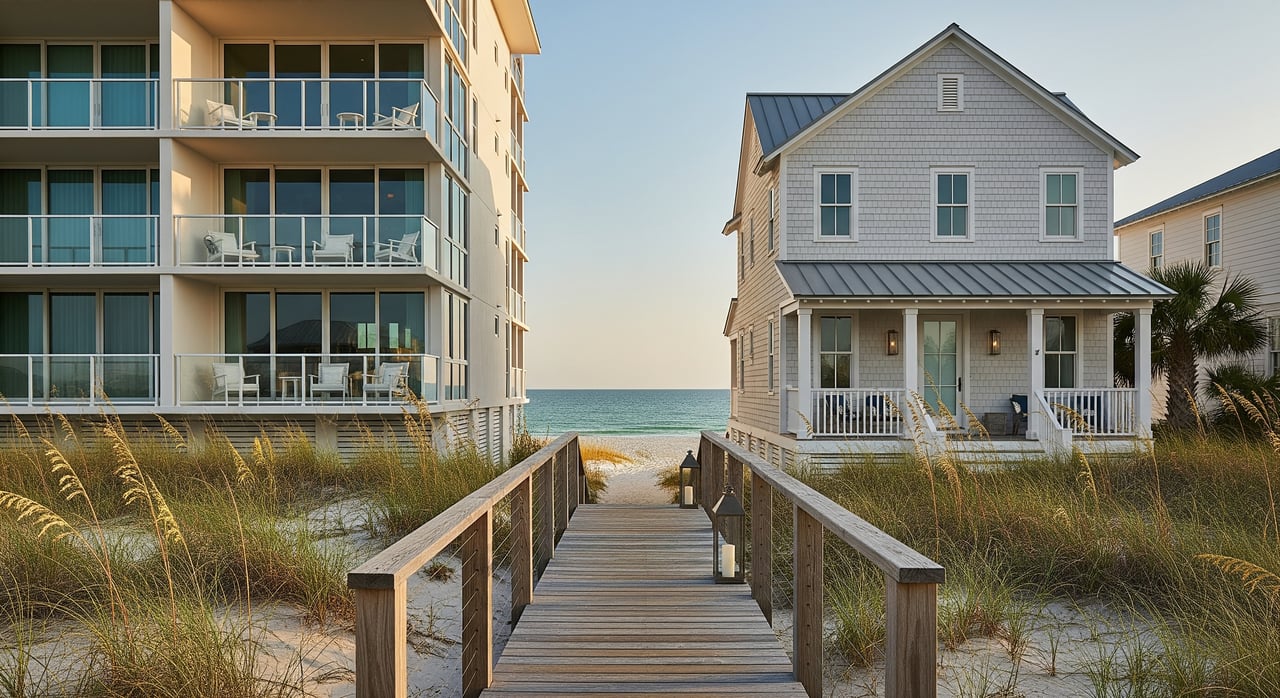
- Condos: You own the interior; the association handles the building exterior and shared areas. Expect lower personal maintenance and more amenities. Financing can be more complex and association rules often shape rentals, pets, and renovations.
- Townhomes: You often own the structure and the lot, with an HOA that maintains common areas. Expect more control and responsibility for exteriors. Financing is usually simpler than condos if the townhome is fee simple.
Ownership and control in Florida
Condos (Chapter 718)
In Florida, most condominiums are governed by the Florida Condominium Act. You typically own the interior “walls-in,” while the association owns and maintains common elements like the roof, exterior, grounds, and amenities. The association manages budgets, sets assessments, and enforces rules. You’ll usually carry an HO-6 policy that covers interior finishes, personal property, and certain loss assessments.
Townhomes (Chapter 720 or 718)
“Townhome” can mean two legal structures in Florida, so you need to confirm the exact setup. Many townhomes are fee simple with an HOA governed by Chapter 720, where you own the lot and structure, including the exterior. Others are townhomes organized as condominiums under Chapter 718, which changes maintenance and insurance responsibilities. Review the declaration to see who handles roofs, exterior walls, paint, patios, and driveways.
HOA rules and fees
What condo HOAs cover
Condo associations commonly handle exterior upkeep, building structure, roofs, elevators, parking, pools, and other amenities. They also set rental policies, pet rules, architectural controls, and noise and use standards. Expect monthly or quarterly dues and possible special assessments for major projects.
What townhome HOAs cover
Townhome HOAs often maintain landscaping, community roads and sidewalks, and shared amenities. Some may also handle parts of the exterior, but this varies by declaration. Dues can be lower than condos when fewer services are included, though you will likely take on more exterior responsibility yourself.
Governance and financial health to check
- Budget and reserve study, including any gaps for roof, siding, or capital items.
- History of special assessments and dues increases.
- Litigation status, which can affect future assessments and lending.
- Insurance declarations for the association’s coverage and deductibles.
- Rental restrictions, registration requirements, and enforcement policies.
Maintenance and insurance in a coastal market
Maintenance realities
- Condos: You typically handle interior upkeep. The association takes care of the building exterior and common areas. This can reduce your day-to-day maintenance.
- Townhomes: As a fee simple owner, you often maintain the roof, exterior, and private outdoor areas. The HOA may handle common landscaping, streets, and shared amenities.
Insurance differences
- Condos: The association carries a master policy for buildings and common elements. You’ll need an HO-6 for interior finishes and contents, plus protection against certain loss assessments.
- Townhomes: You often carry an HO-3 policy that covers both structure and interior. If the HOA insures parts of the exterior, make sure your policy aligns with the HOA’s coverage.
Coastal properties frequently need separate windstorm and flood policies. Premiums are often higher than inland and depend on elevation, construction, wind-mitigation features, and claims history.
Coastal risks to verify in Inlet Beach
Inlet Beach sits on the Gulf, so you should review exposure to hurricanes, wind, storm surge, and coastal flooding. Many properties near the water fall within FEMA flood zones that can trigger lender-required flood insurance. Confirm each property’s flood zone, elevation certificate, and any required dune or shoreline protections. Check the age of construction and whether wind-mitigation upgrades are in place, as they can affect insurance costs.
Financing differences
Condo lending
Lenders often review the condo project, not just the unit. Approval can hinge on budget strength, reserves, owner-occupancy ratios, and litigation status. Certain loans may require the project to be approved, which can add time and complexity.
Townhome lending
Townhomes that are fee simple are often treated like single-family homes for underwriting, which can make financing simpler. If the townhome is organized as a condominium, expect similar project-review steps as condos.
Smart next steps
- Ask your lender early about condo or project approval requirements.
- Confirm whether the specific condo complex is eligible for your loan type.
- Obtain insurance quotes for hazard, wind, and flood before you finalize an offer.
Lifestyle and privacy
Privacy and noise
Condos often have shared walls, floors, and ceilings, with more foot traffic near hallways and amenities. Unit location matters for noise and privacy. Townhomes typically offer more privacy, with fewer shared corridors and private entrances, though attached walls still transmit some sound.
Outdoor space and access
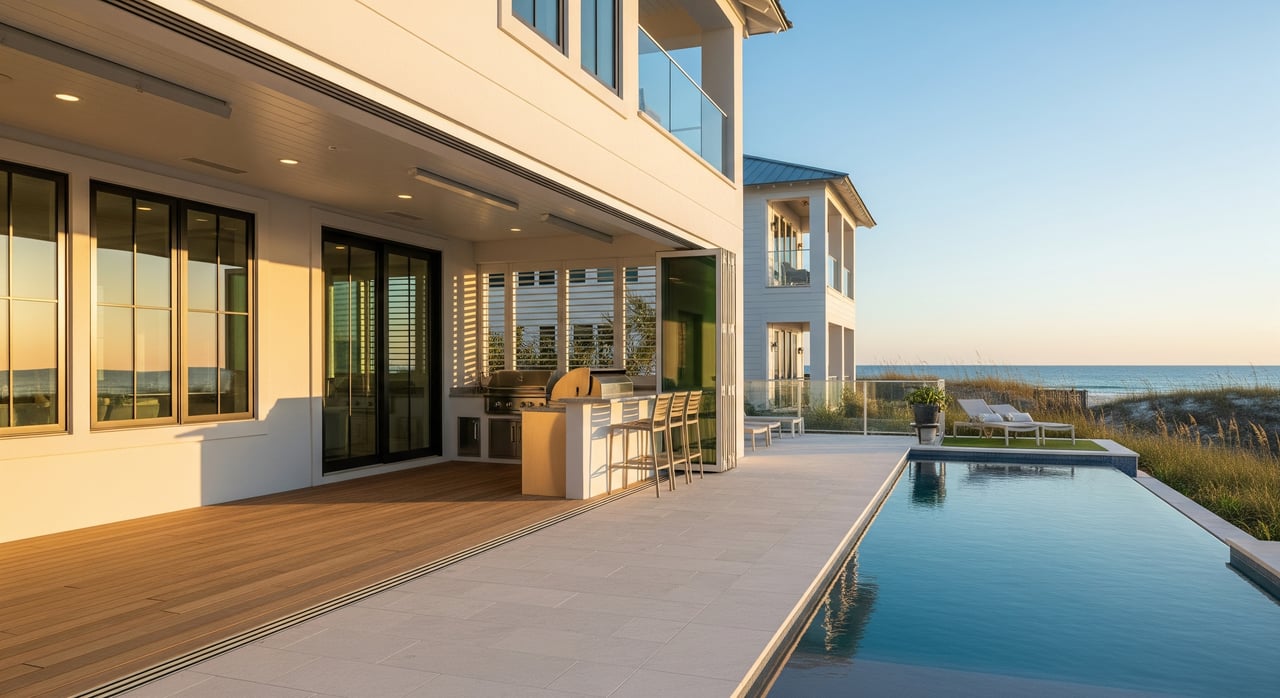
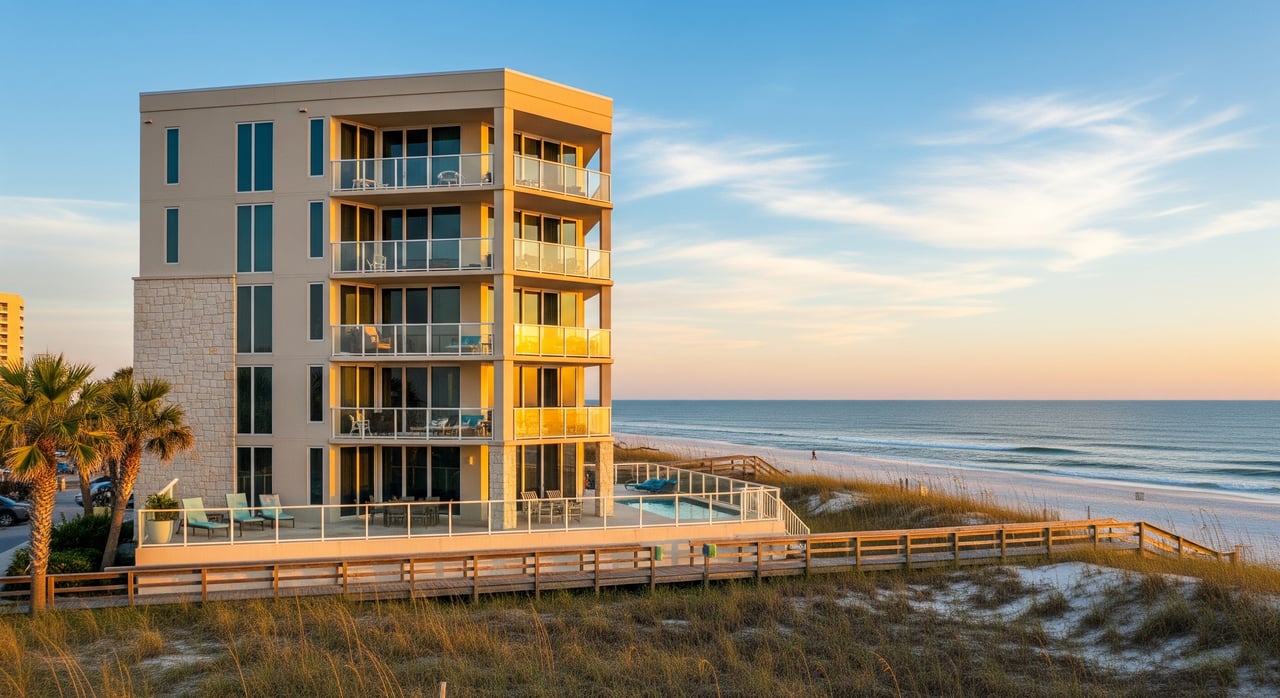
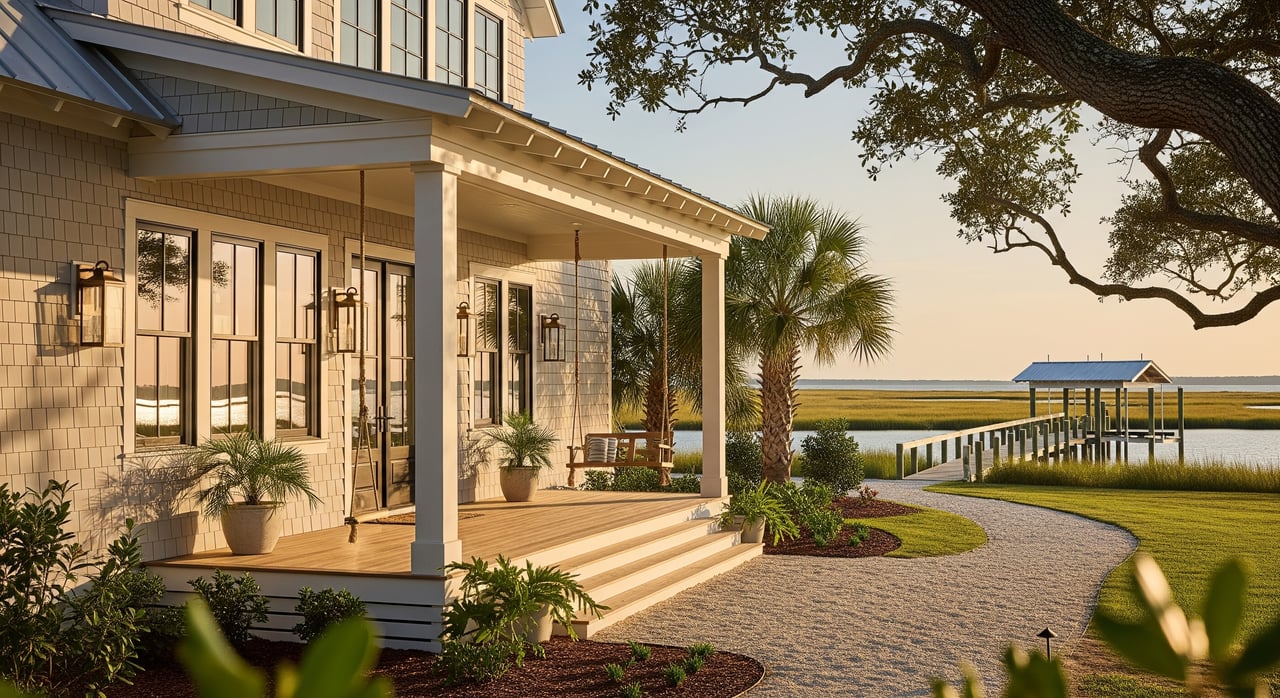
Condos near the beach prioritize proximity and amenities; outdoor space usually means a balcony. Townhomes often provide a small yard, patio, or garage, plus direct parking. This can feel more like a traditional home.
Amenities and vibe
Condo communities commonly feature pools, fitness areas, and sometimes onsite management. That pairs well with a lock-and-leave lifestyle. Townhomes may offer fewer shared amenities but provide more autonomy and space, which many long-term or seasonal residents value.
Which fits your rental plan?
Inlet Beach is part of a high-demand, seasonal vacation corridor, with peaks around spring break, summer, and holidays. Both condos and townhomes can perform well, depending on location and rules.
- Condos: Onsite amenities and potential onsite or nearby management can make rentals easier to operate. These features appeal to short-term guests.
- Townhomes: Extra privacy, multiple bedrooms, and private outdoor space can attract families and groups.
Always verify association rental rules, minimum stays, registration requirements, and parking limits. Check county-level requirements for registration and tourist development taxes. Some communities cap short-term rentals or require specific minimum stays.
Buyer checklist for Inlet Beach
Use this step-by-step plan to protect your purchase and avoid surprises.
- Confirm legal structure: Is the townhome fee simple with an HOA or a condominium? Review the recorded declaration and plat.
- Read the documents: Declaration, bylaws, rules, budget, reserve study, meeting minutes, and association insurance declarations.
- Clarify responsibilities: Who maintains the roof, exterior walls, paint, patios, driveways, and flood-mitigation elements?
- Verify rental rules: Minimum stays, registration, occupancy limits, parking, and any owner-occupancy requirements.
- Check financial health: Recent and pending special assessments, dues history, and any active litigation.
- Review insurance early: Get quotes for hazard, windstorm, and flood. Align your coverage with the association’s master policy and deductibles.
- Confirm lending: Ask your lender about condo or project approvals and eligibility for your loan type.
- Evaluate risk: Review FEMA flood mapping for the parcel, request the elevation certificate, and confirm any dune or shoreline protections.
- Inspect construction details: Note the age of the building, wind-mitigation features, and any recorded storm repairs.
- Verify taxes and records: Review property tax history and assessments through official county channels.
- Walk the property: Visit at different times to gauge noise, privacy, parking, and beach access patterns.
How to choose with confidence
If you want top location, amenities, and low personal maintenance, a condo may be your best fit. If you prefer more space, privacy, and control over the exterior, a townhome might suit you better. For rental-minded buyers, align the property’s rules and layout with your guest profile and peak-season strategy. The details of the legal structure, HOA documents, insurance, and lending often shape the final decision.
Ready to compare live options and rules by community? Reach out to Ash Caswell for local guidance tailored to your goals in Inlet Beach.
FAQs
What’s the key difference between a condo and a townhome in Inlet Beach?
- Condos usually mean you own the interior and share ownership of the building and amenities, while townhomes often involve owning the structure and lot with an HOA over common areas.
How do HOA dues typically differ between condos and townhomes on 30A?
- Condo dues often cover building exteriors and amenities, while townhome dues may be lower if fewer services are included, but your exterior responsibilities may be higher.
Do I need flood insurance for a condo or townhome in Inlet Beach?
- Many coastal properties fall within FEMA flood zones; lenders often require flood insurance, so verify the property’s flood zone and elevation certificate.
Are short-term rentals allowed in all Inlet Beach communities?
- Not always; associations may restrict rentals with minimum stays, caps, or registration rules, and county-level registration and tax requirements may also apply.
Is financing harder for condos than for townhomes in this area?
- Often yes; many lenders require condo project reviews and approvals, while fee simple townhomes are typically underwritten like single-family homes.
What documents should I review before making an offer?
- Declaration, bylaws, rules, budget, reserve study, meeting minutes, insurance declarations, and disclosures on special assessments and litigation.